 +62 896-3513-0972
 sales@11bintang.net

News
Understanding ASTM D3574
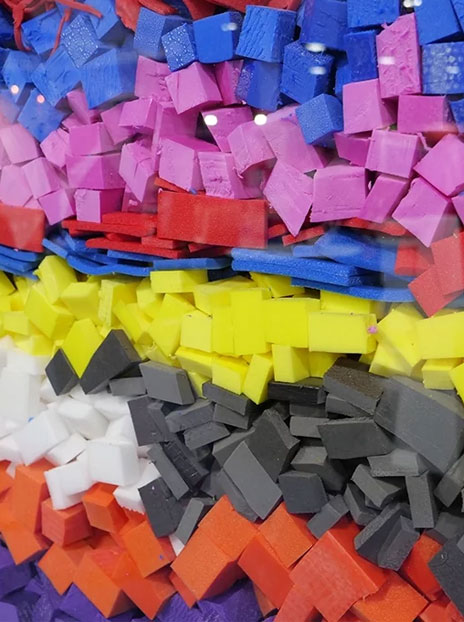
UNDERSTANDING ASTM D3574: STANDARD TEST METHODS FOR FLEXIBLE CELLULAR MATERIALS
Ensuring the quality and durability of flexible cellular materials is crucial in various industries, including automotive, furniture, and bedding. The ASTM D3574 standard outlines the test methods to evaluate properties such as tensile strength, compression, and resilience of polyurethane foams. This blog provides a detailed overview of these test methods and their importance.
Overview of ASTM D3574
ASTM D3574 is a comprehensive standard that specifies various test methods for flexible cellular materials, such as slab, bonded, and molded urethane foams. These tests help manufacturers ensure their products meet industry standards for quality and performance.
Key Test Methods
-
Tensile Testing
- Procedure: Measures the force required to stretch the foam until it breaks.
- Importance: Determines the material's strength and elongation properties.
- IDM Product: Universal Testing Machine
- Details: The IDM Universal Testing Machine is designed to perform both tensile and compression tests, providing precise results and ensuring compliance with ASTM standards. It features a robust frame, high-precision load cells, and user-friendly software for accurate data collection and analysis.
-
Compression Testing
- Procedure: Involves compressing the foam to a specific percentage of its original thickness.
- Importance: Evaluates the foam's load-bearing capacity and deformation characteristics.
- IDM Product: Foam Compression Tester
- Details: The IDM Foam Compression Tester is equipped with a closed-loop microcomputer control system that drives a ball screw and nut for vertical movement. It features a load auto-zeroing function, a safety overload function, and a test area of 500mm wide, not restricted at the front and rear. The system includes a PC with a 19” flat-screen monitor and software that provides real-time data display and analysis, allowing for precise measurements of ILD and IFD in accordance with ASTM D3574 standards?
-
Resilience Testing
- Procedure: Measures the foam's ability to return to its original shape after compression.
- Importance: Indicates the material's durability and longevity.
- IDM Product: Digital Foam Resilience Tester
- Details: The IDM Digital Foam Resilience Tester offers accurate assessments of foam samples' rebound characteristics. The tester is equipped with advanced software that allows for the programming of test parameters, real-time data display, and statistical analysis. It helps manufacturers ensure that their foam products meet the required resilience standards.
Test Applications
- Automotive seating
- Furniture cushioning
- Bedding and mattresses
- Carpet underlay
- Foam components in various industries
Conclusion
Adhering to ASTM D3574 ensures that flexible cellular materials meet high-quality standards, enhancing product reliability and customer satisfaction. By utilizing IDM Instruments' advanced testing equipment, manufacturers can achieve accurate and reliable results, improving their quality control processes.
