 +62 896-3513-0972
 sales@11bintang.net

Laboratory Heat Sealer

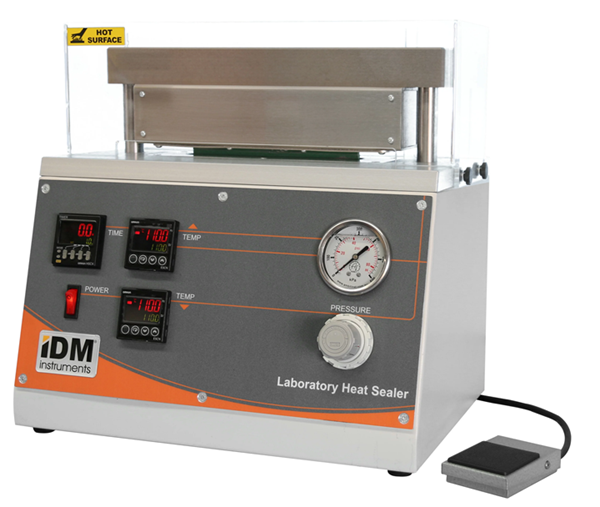 |
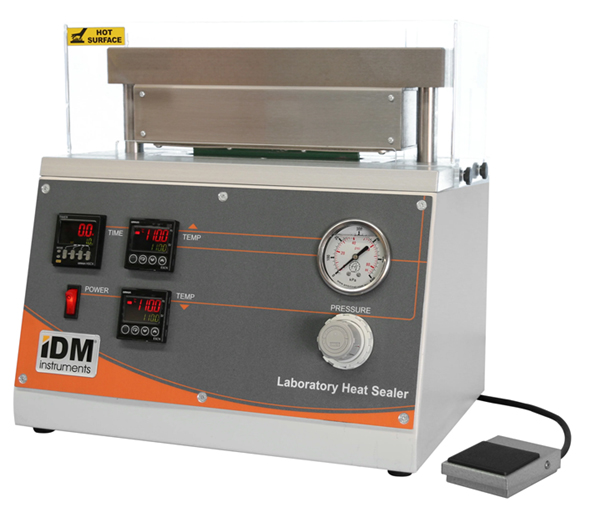
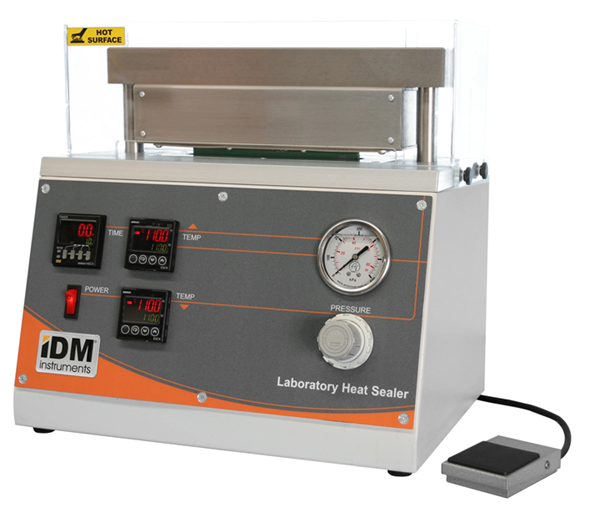
This professional Laboratory Heat Sealer is useful to determine the sealing parameters. This can seal various materials like film, laminated films, coated paper. And also other flexible barrier materials. The laboratory Heat Sealer can measure the heat sealability of web surfaces. Or even sealant layer of materials. As well as Short dwell time web scalability. This is a test seal that is made at a dwell time shorter than usual. For the sealing surface to reach the jaw temperature level. This by simulating conditions on high-speed vertical form-fill machines or slower machines. That is where the condition of non-equilibrium exists. Criteria of judging heat sealability is the strength of the actual heat seal. Parameters include heat seal temperature, dwell time and the pressure of the heat seal. These might have different melting points, heat stability. As well as different fluidity and thickness. Therefore, all of which could vary the heat seal properties. The heat sealer features a foot switch that initiates the sealing. And a pneumatic cylinder lowers the Upper Sealing Bar to seal. The timer determines the length of time that sealing bar take to contact the sample. This is at the set sealing pressure. Thus, producing repeatable and reliable test samples. |
Types of Heat Sealer Available
L0001 - SPM
Features:
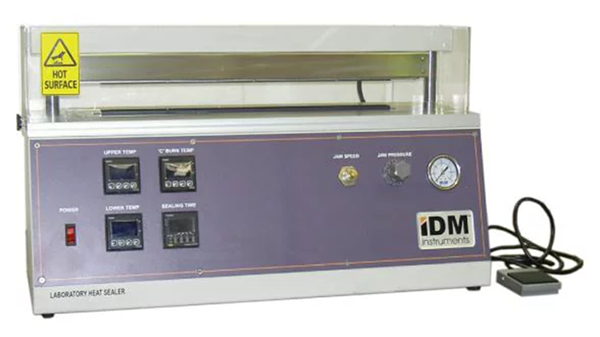
- Upper heating element controllers for wave jaw assembly
- Upper heating element controller for “C” shape burn through
- Lower heating element controller
- Sealing dwell timer for jaw closure, variable: 0 - 999.9 secs
- Omron Temperature controllers: ambient to 300°C
- Temperature variation across sealing face over 450mm: approximately 10 deg C
- Sealing pressure, variable by air pressure regulator (front panel mounted)
- Foot switch activation
- Safety guard
- Upper wave jaw assembly:: To be fitted with a “C” shape heating element (hole burn), 100mm in from one end. W22mm x L450mm Wave sealing bar with a 2mm pitch (Teflon coated)
- Lower wave jaw: To have matching stops to suit “C” punch burn element. W22mm x L450mm Wave sealing bar with a 2mm pitch (Teflon coated)
 |
2. L0001-PROThis model of the heat sealer has interchnagble teflon-coated sealing bars. The heated upper and lower bars can be chnaged to differetn sizes.
|
3. L0001-PRO-S
|
This model does not allow intechnaging of the sealing bars and therefore must be determined beforehand.
|
Optional Items:
|
Applicable Testing Standards
|
ASTM F2029 - Standard Practices for Making Laboratory Heat Seals for Determination of Heat Sealability of Flexible Barrier Materials as Measured by Seal Strength The Heat Sealer conforms to the ASTM F2029. It facilitates the determination of laboratory heat sealability of flexible barrier materials. Iit is necessary to have a heat seal layer that provides adequate seal strength for the application but other material overall construction and thickness alsol impacts the sealing properties of the material. These practices allow the impact of changes in material properties on heat sealability to be measured. The Laboratory Heat sealer and manufacturing equipment are different. Hence, care must be taken when applying a heat seal curve study as outlined in these practices to manufacturing equipment. The heat seal curve and the corresponding seal strength data are intended to provide a starting point for determination of sealing conditions for full scale manufacturing equipment. The standard covers cover laboratory preparation of heat seals. These practices also cover the treatment and evaluation of heat seal strength data for the purpose of determining heat sealability of flexible barrier materials. It does not cover the required validation procedures for the production equipment. |
ASTM F88 / F88M - 15 - Standard Test Method for Seal Strength of Flexible Barrier Materials Seal strength is a quantitative measure for use in process validation, process control, and capability. Seal strength is not only relevant to opening force and package integrity, but to measuring the packaging processes' ability to produce consistent seals. Seal strength at some minimum level is a necessary package requirement, and at times it is desirable to limit the strength of the seal to facilitate opening. The maximum seal force is important information, but for some applications, average force to open the seal may be useful, and in those cases also should be reported. tags: heat sealer, heat sealing test, heat sealing test equipment, heat sealing test instrument |
Applications
Benefits
Standards
|
Features
|